Over time, it has become clear that the show has made an impact beyond entertainment, especially within the hockey community. What sets Heated Rivalry apart is how it portrays hockey players as more than just athletes. Instead of focusing only on wins and losses, the show highlights pressure, expectations, and the personal challenges that can come with playing such a demanding sport. By doing this, it reflects experiences that many real players recognize but don’t often see represented.
Hockey has long been viewed as a traditional sport where players are expected to stay quiet about personal struggles. Because of this, many players especially those who feel different in any way can end up feeling isolated. Heated Rivalry helped challenge that culture by showing that strength and vulnerability can exist at the same time. It suggested that being human doesn’t make someone less dedicated to the game. For some closeted hockey players, the show has been especially meaningful. It sent a message of understanding and reassurance. Since the show aired, Hudson Williams, one of the cast members, has shared that real hockey players have reached out to him privately. Many of these messages came from players thanking him for being part of a story that made them feel less alone in a sport where they often feel invisible. That kind of response shows that the show resonated with people who live the reality of hockey every day.
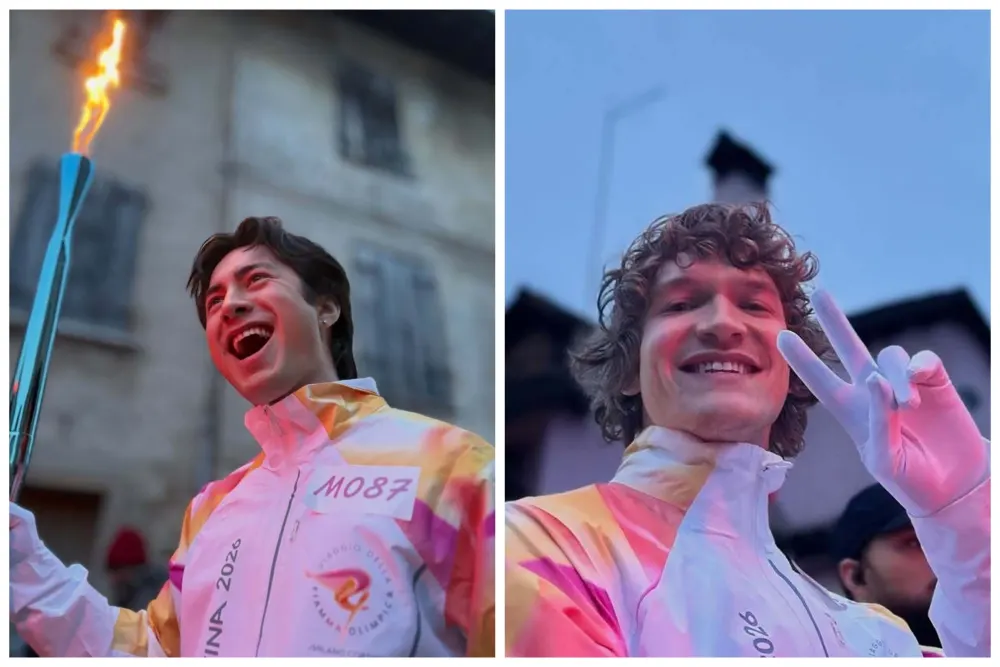
What makes this impact even more impressive is how small the show’s beginnings were. Fans often joke that Heated Rivalry was made on an extremely limited budget, yet it managed to gain a passionate following. That support led to an unexpected and symbolic moment: members of the cast being selected as torch bearers for the 2026 Winter Olympics. The Olympic torch represents unity, progress, and the future of sports. Having cast members from Heated Rivalry take part in that tradition shows how far the show’s influence has reached. It also reflects how hockey culture is trying to slowly change, becoming more open, inclusive, and reflective of the people who love the game.
Ultimately, Heated Rivalry proves that meaningful change doesn’t always come from big productions or major organizations. Sometimes it starts with a simple story that makes people feel seen. While it may focus on rivalry, its real legacy lies in how it helped start conversations and offered comfort to players who rarely feel represented. In that way, Heated Rivalry isn’t just about competition. It’s about growth both for the sport and for the community around it.